
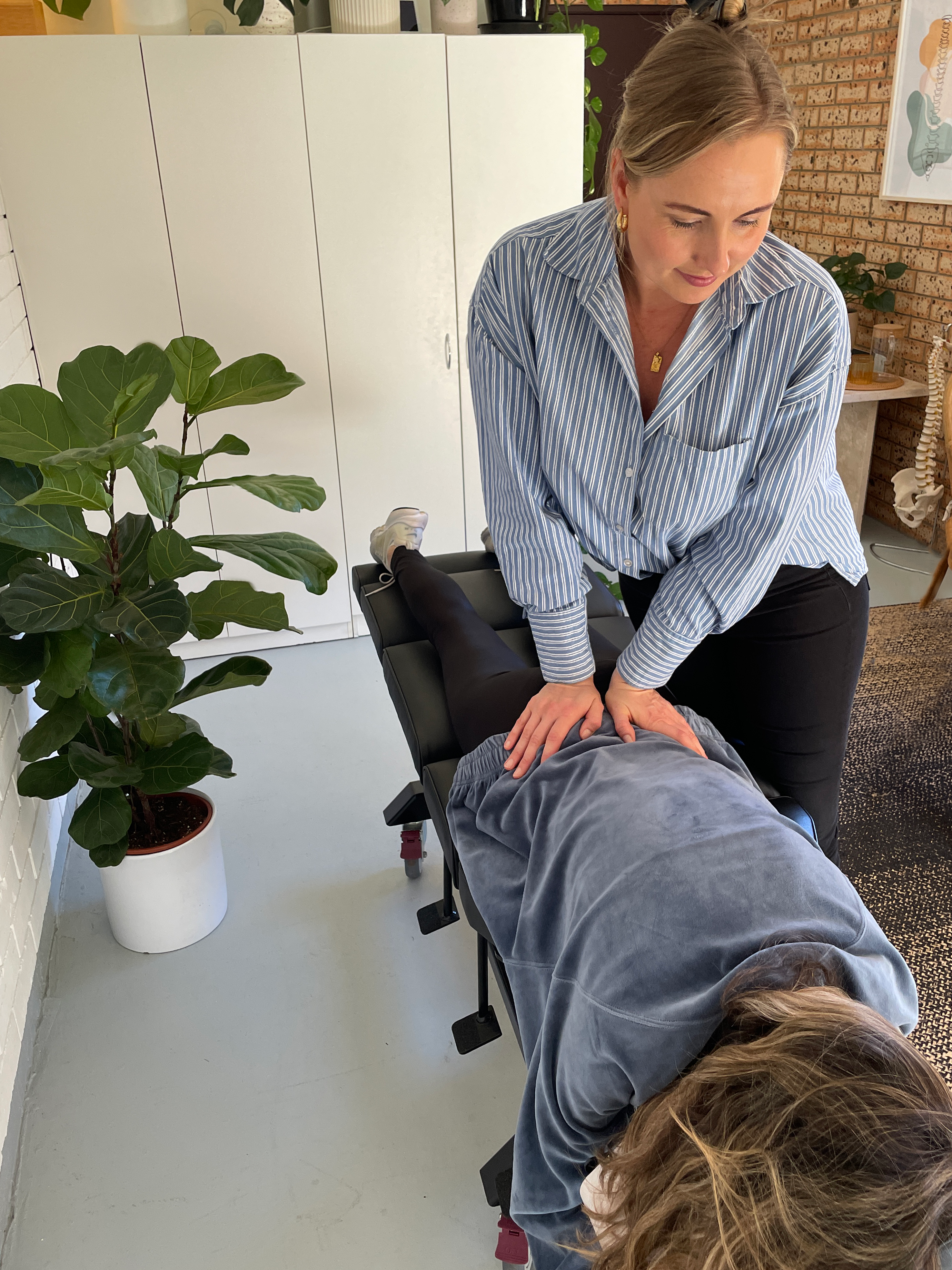
These concerns are often influenced by how your body is moving and how your nervous system is adapting — not just the area of discomfort.
A more considered approach to understanding what may be contributing.
For some, it's a constant ache or stiffness. For others, it may feel more sharp, one-sided, or travel into the glutes or legs.
You might notice:
In many cases, this isn't coming from one single structure.
You may notice it shifts depending on how you move, what you've been doing, or how your body is feeling day to day.
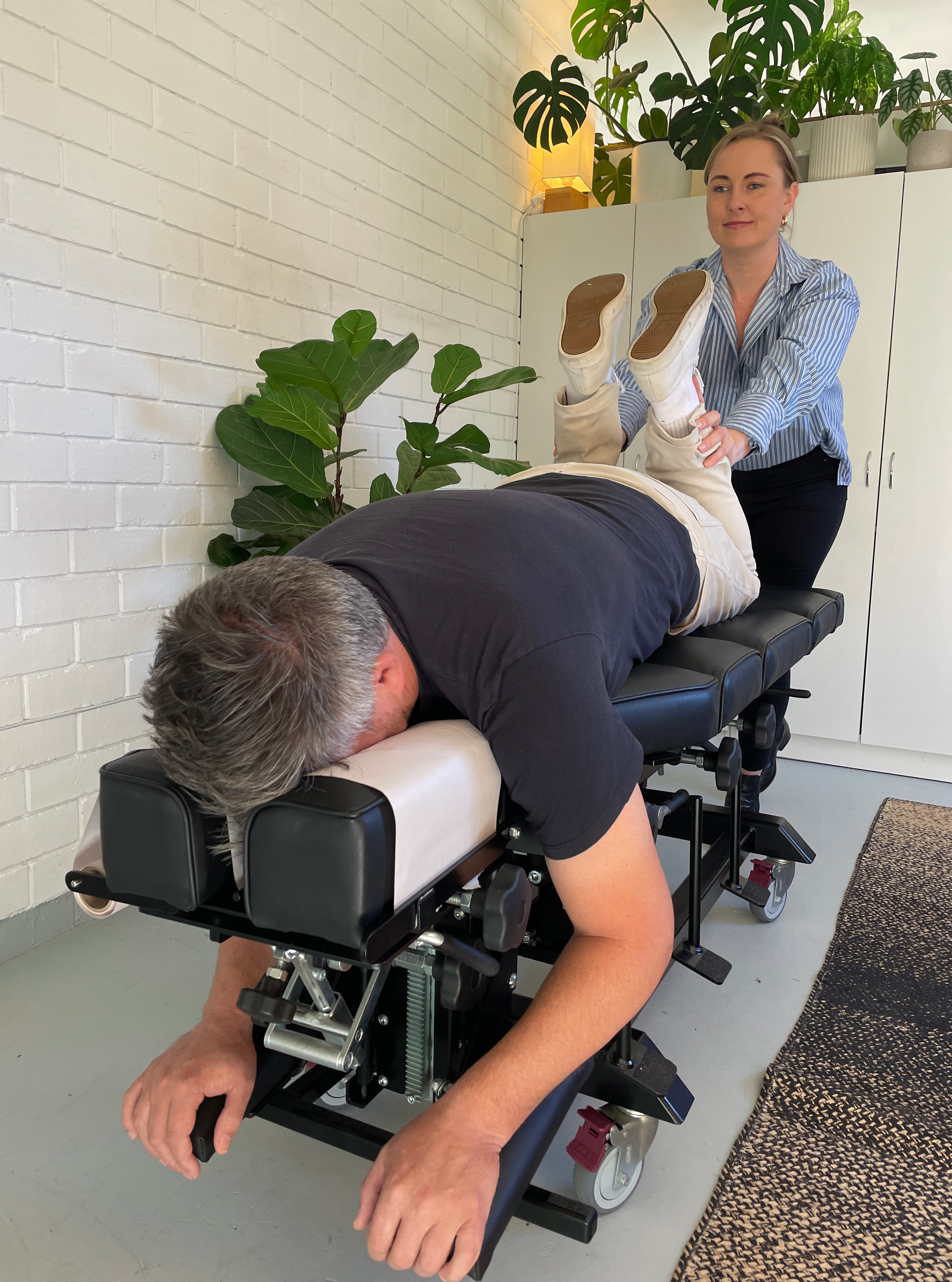
Lower back and pelvic discomfort are often associated with how your body is managing movement, load, and stress over time.
The pelvis and lower spine work closely together to support stability and movement. When these areas aren't working together as well as they could, other areas may begin to compensate.
This can contribute to ongoing tension, imbalance, or recurring discomfort.
"When the pelvis and lower spine aren't working together as well as they could, other areas begin to compensate — and that's often how recurring tension or discomfort can develop."
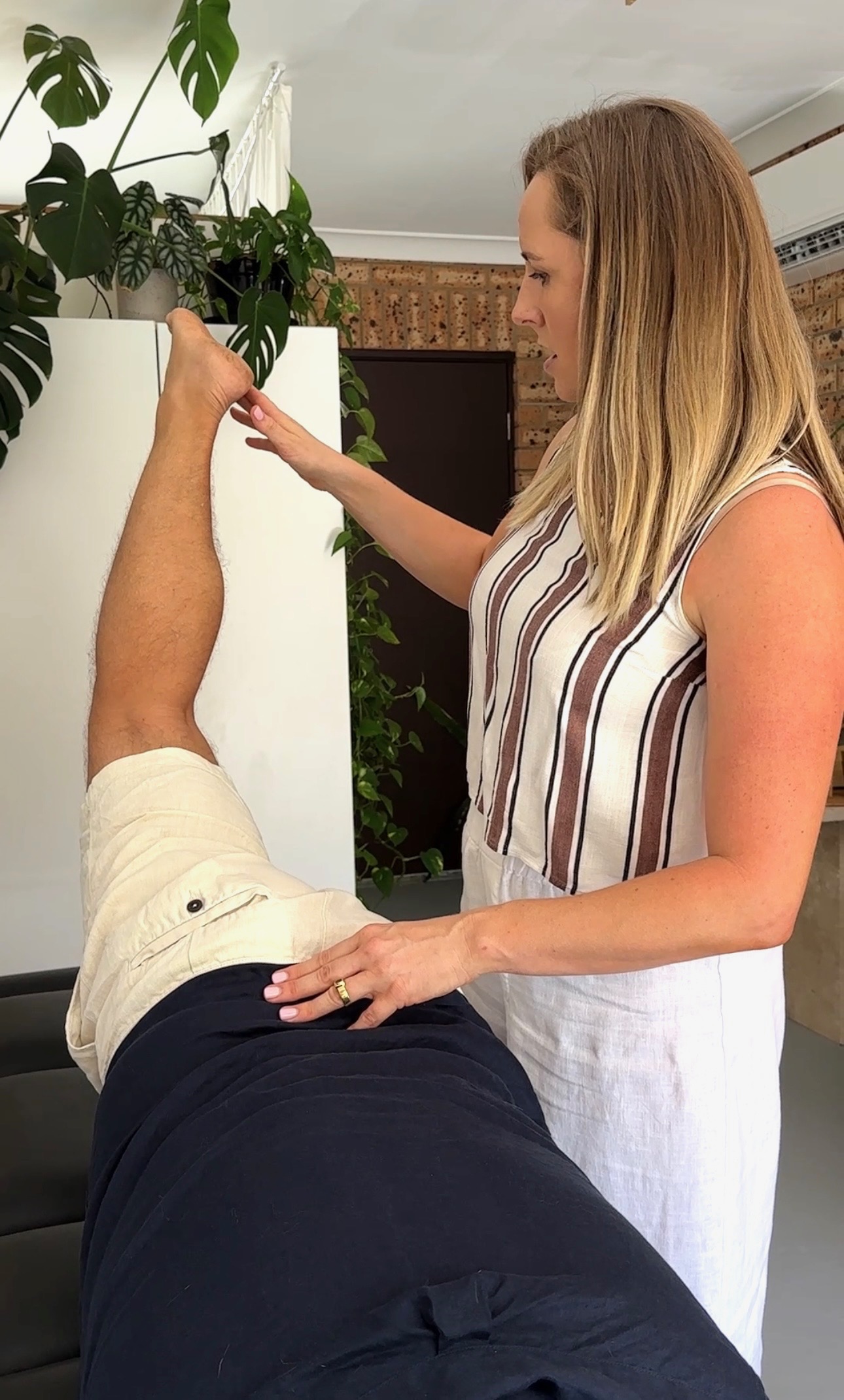
→ Looking beyond symptoms to understand what may be contributing.Rather than focusing only on the site of discomfort, we assess how your body is functioning as a whole.
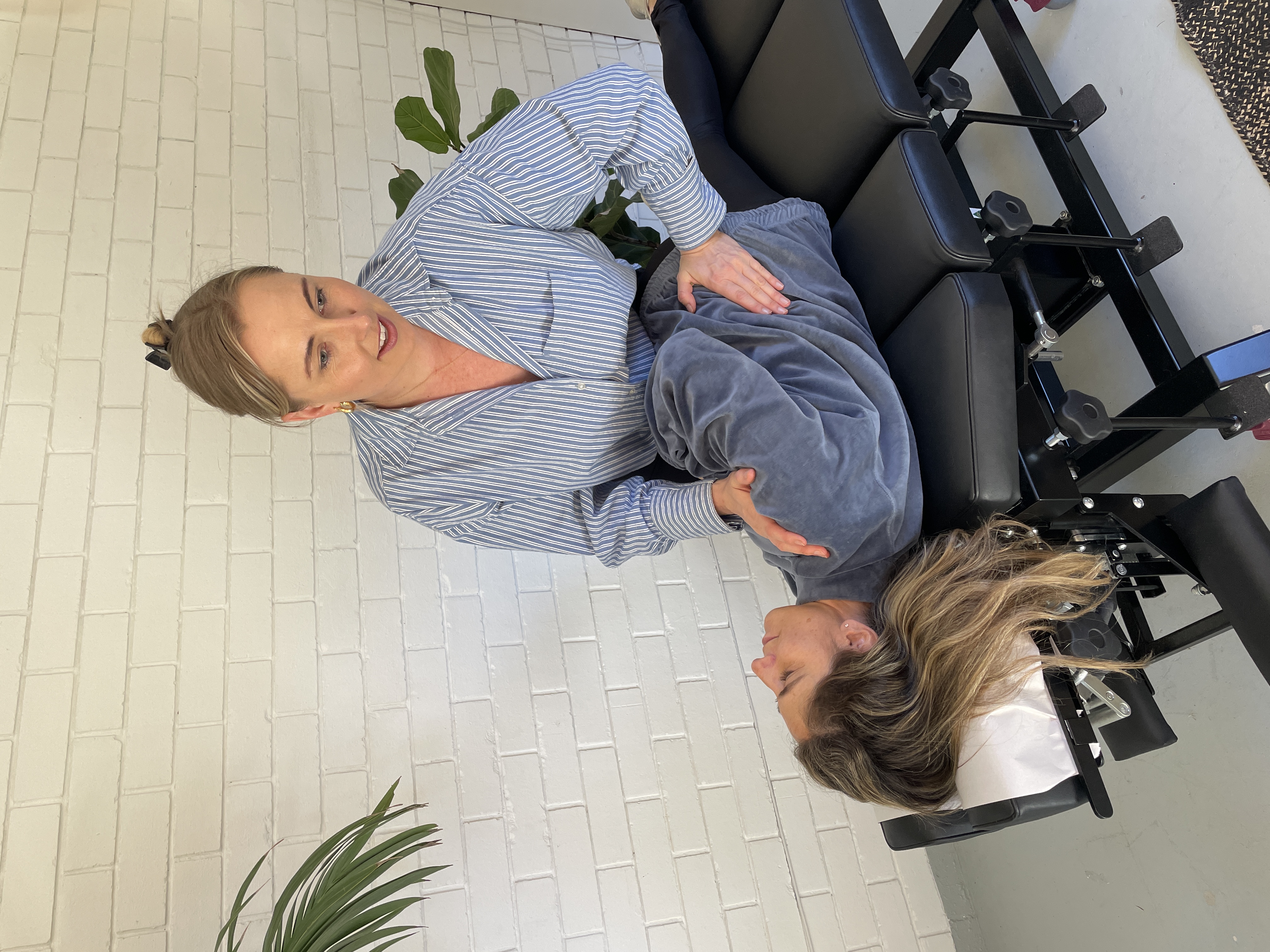
Care is tailored to your individual presentation and may involve gentle, specific techniques suited to your needs.
"Care is tailored to your individual presentation — gentle, specific techniques suited to where you are right now."
Your initial consultation focuses on understanding what may be contributing to your lower back, hip, or pelvic discomfort.
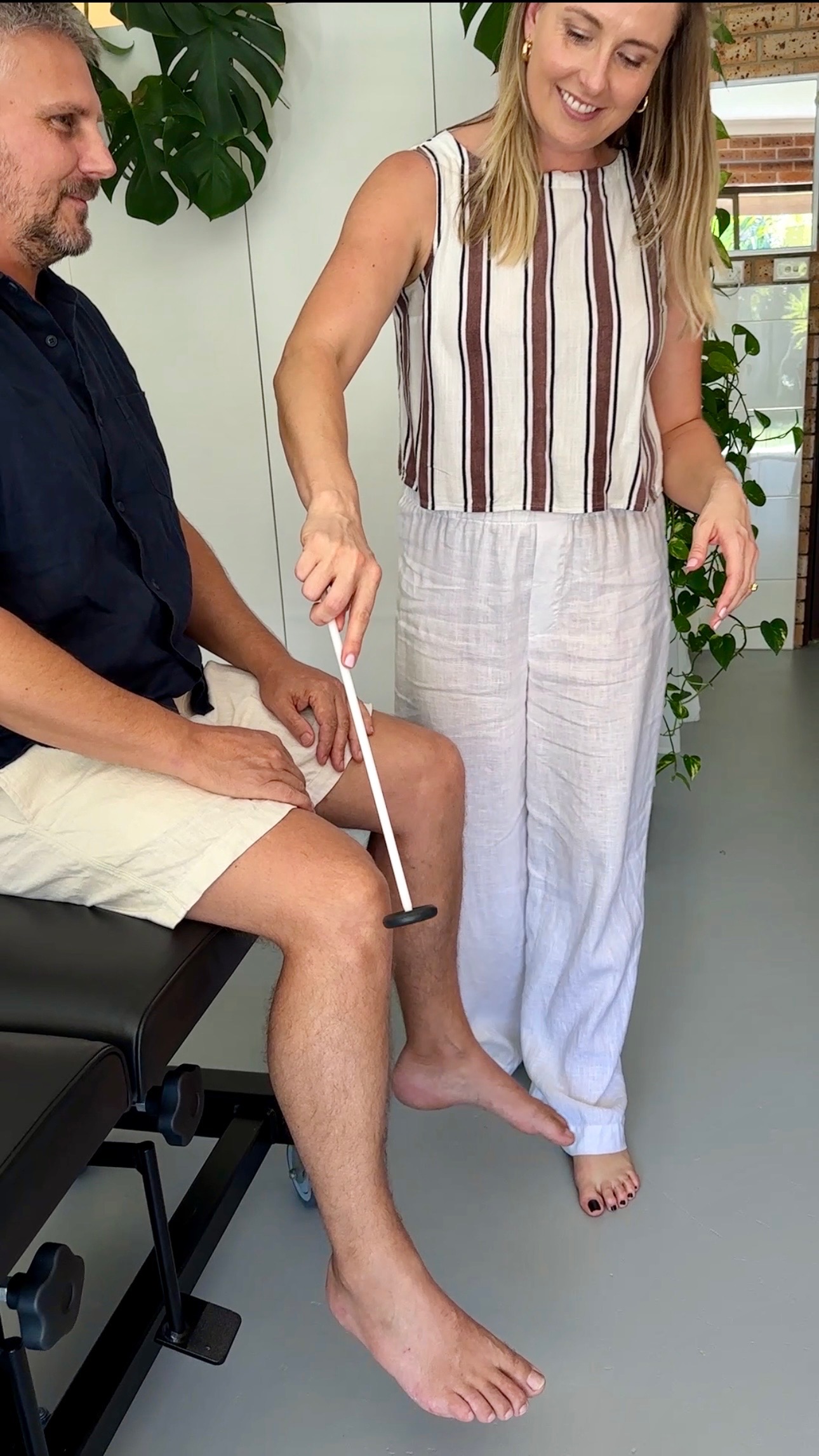
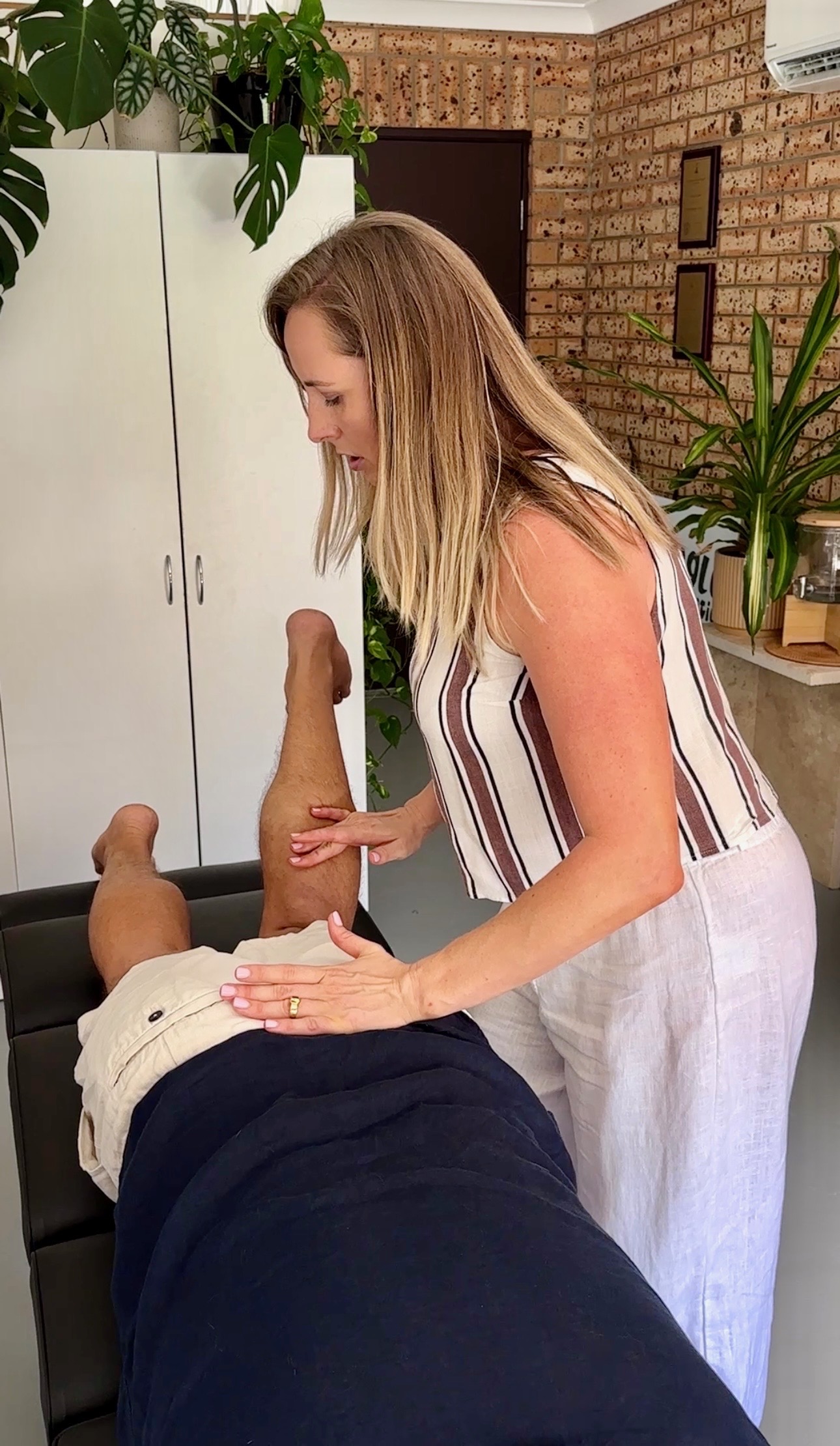
We'll go through your history and assess how these areas are functioning together, including how your body is responding to physical stress and day-to-day demands.
This may include looking at:
This helps build a clearer picture of both the physical and neurological factors that may be contributing.
Care may begin on the day if appropriate.
We take time to understand your full picture — not just current symptoms.
Pelvic and spinal assessment, alongside how your body is adapting.
What may be contributing, and what your next steps could look like.